Remove names and faces from photographs in a report
An inspection report, an incident file or a site survey is mostly photographs. Every one of them can carry a face, a name badge, a number plate, a company logo on a van, or a screen with somebody’s account open on it.
Open the tool Free, in your browser. Nothing is uploaded.
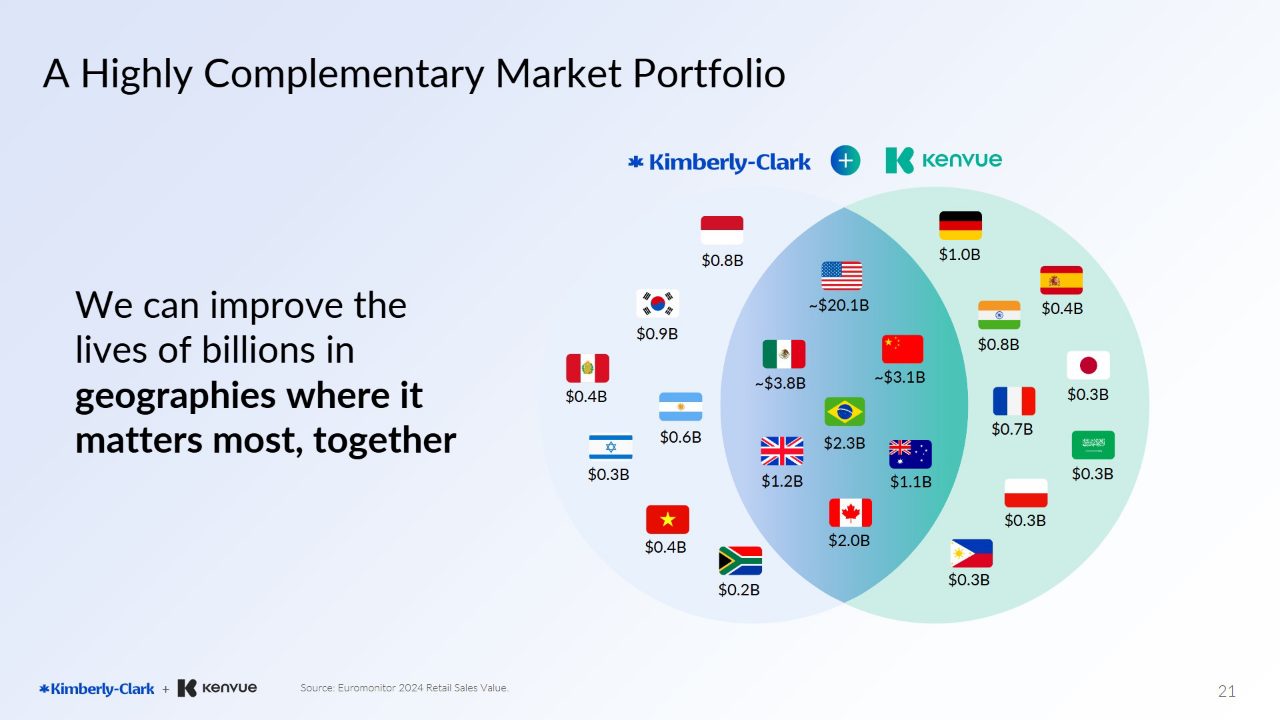 After
After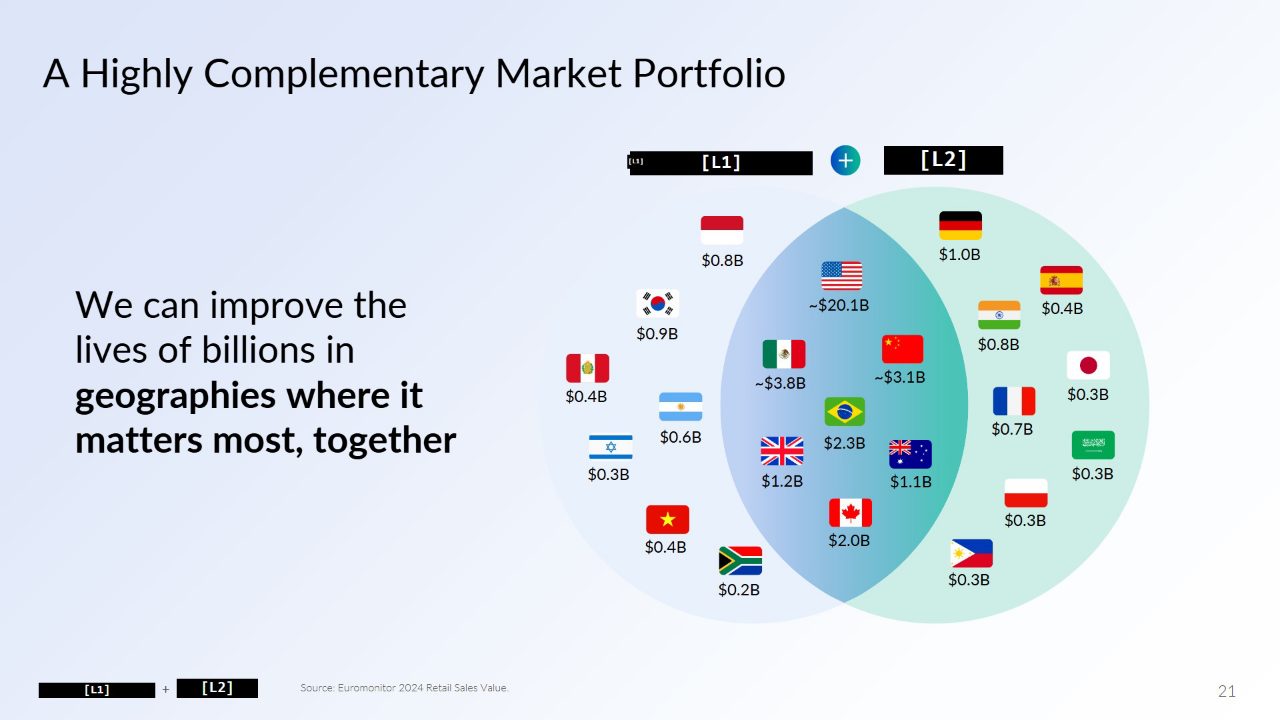
None of it is text
A photograph has no text layer, so every tool that works by searching finds nothing. The work is done by eye, page by page, and a two-hundred-page survey has four hundred photographs in it.
Worse, the same thing recurs. The same contractor’s logo is on a van in thirty photographs; the same badge is on the same person in twelve; the same screen is photographed from three angles.
Pick it once, find it everywhere
Draw a box round the logo on the van and every other copy of it in the report is found – at any size, and at whatever angle the photograph presents it, so long as it is recognisably the same mark. The same for a badge design, a letterhead photographed on a desk, or a recurring watermark.
Where something appears once, draw on it. A face, a plate, a handwritten note on a whiteboard: a box drawn by hand is covered the same way as one the tool proposed, and is removed from the pixels the same way on export.
And the text around the pictures
The captions, the location, the contractor in the paragraph underneath: typed once, found everywhere, including in the lettering of any screenshot pasted in beside the photographs. The detectors catch the phone numbers and email addresses that arrive with a photographed business card.
Check the export, because pictures fail quietly
Text either matches or it does not. A picture can be matched at eleven of twelve sizes, and the twelfth is on page 140. So the list of what was found is the thing to read, not the pages: each match is listed with the page it is on, and a count per picked mark, so a logo that turned up thirty times and then stopped is visible as a number rather than as a page you did not reach.
When it is exported, open it and scroll it. That sounds like doing the job twice and is not: you are checking four hundred photographs for one kind of mistake, having already had the tool find the thirty copies it was sure about.
And what is covered really is covered. Select across a bar and paste – nothing comes out, because the page was rebuilt from pixels rather than covered with a rectangle laid on top.
How to do it, in four steps
- Open the report. Every page and every photograph is rendered in the tab.
- Pick out anything that recurs: a logo, a badge, a watermark, a letterhead.
- Draw by hand on anything that appears once – a face, a plate, a screen.
- Type the names and tick the detectors for the text around them, then Redact and export.
Who it is for
Surveyors, inspectors and investigators, insurers handling claim photographs, journalists publishing evidence, and anybody whose report is mostly pictures of a real place with real people in it.
Questions
Does it find faces on its own?
No, and it does not claim to. Faces are covered by drawing on them, or by picking one out if the same person recurs. What is found automatically is anything that repeats as a recognisable mark – a logo, a badge, a watermark.
Is the face really removed, or blurred?
Removed. The page is rebuilt from pixels with the bar drawn into them, so there is no original underneath. A blur can sometimes be reversed; this cannot, because the pixels are gone.
What about the photographs’ own metadata?
The exported file is written fresh from rebuilt pages rather than edited, so the embedded photographs and whatever they carried do not travel into it.
Are the images uploaded to be analysed?
No. Nothing is uploaded and no model is called. The matching runs in your browser, on your machine.
Also
- Redact a CIM without uploading it
- Redact logos in a pitch deck
- FOIA redaction without sending the records anywhere
- De-identify scanned records
- Your redacted text is still extractable. Here is why
- Redact a PDF before you paste it into ChatGPT or Claude
- Redact a data room index
- Redact a board pack
- Redact CVs for blind screening
- Redact a bank statement
- How it works, in full
- What it costs, and what stays free
- Read the source on GitHub
- [email protected]